
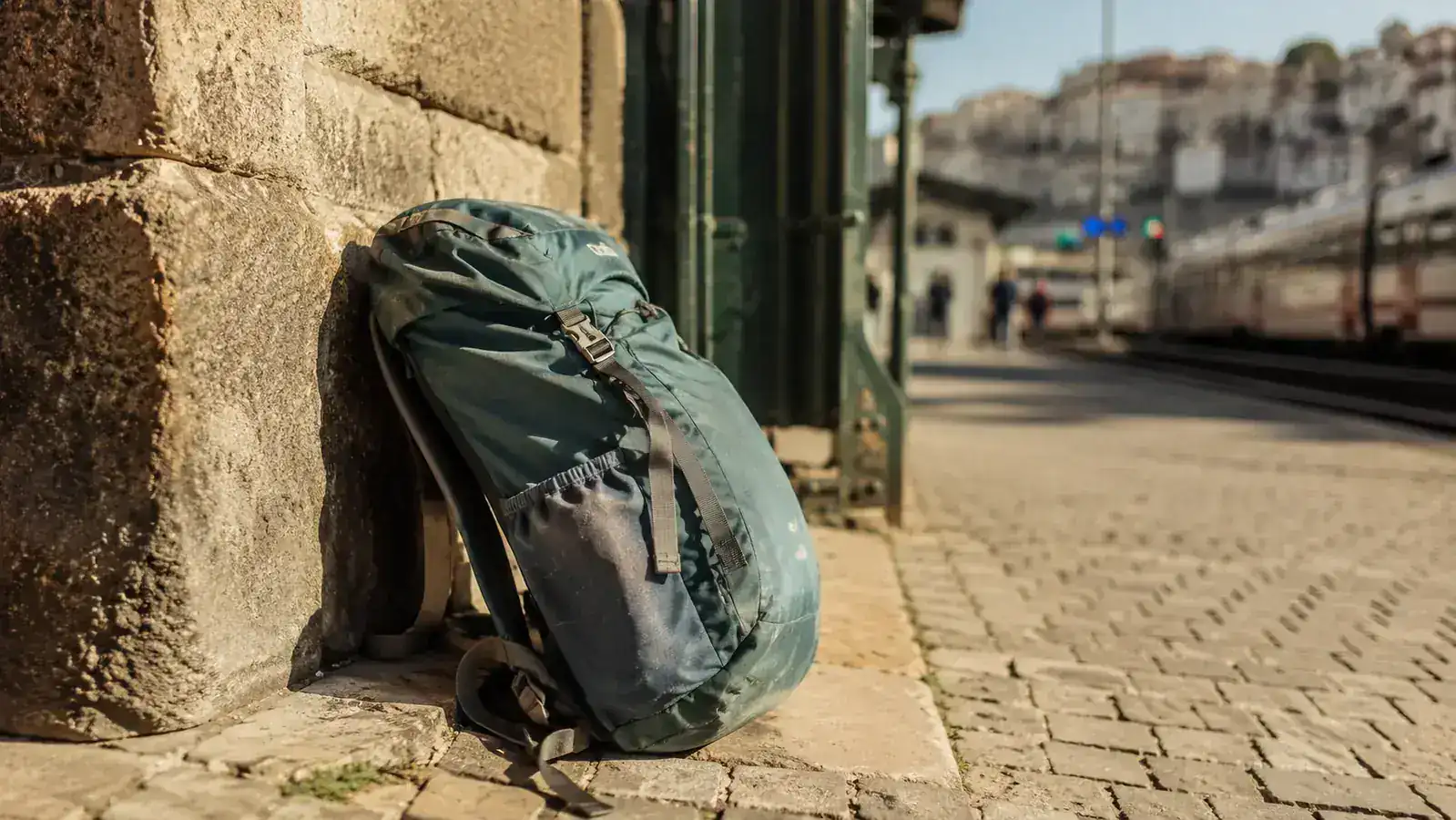
I carry exactly one personal item on every flight. That is the rule I set for myself after paying my third checked bag fee in one calendar year. The problem was, once I landed somewhere, my rolling carry-on stayed at the hotel and I needed something to take out for the day. I kept packing a second tote bag inside my carry-on just to have a bag within a bag, and it was ridiculous. A travel friend mentioned the ZOMAKE 20L packable daypack in passing, I ordered it that night, and it has been inside my carry-on on every trip for the past 12 months.
That is the context. I am Donna. I average 18 to 22 flights a year, mostly domestic but with two or three international trips mixed in. I do not do multi-day backcountry hikes. My use case is city walking, day trips from a base hotel, and occasionally using this bag as my personal item seat bag on regional flights when I want to avoid gate-checking. Over 12 months, the ZOMAKE 20L went with me to Lisbon, Nashville, Mexico City, two long layovers in Atlanta, and enough day trips that I stopped keeping count.
The Quick Verdict
An exceptionally packable 20L daypack that punches well above its price for urban travel and light day trips, let down only by thin shoulder straps on heavy loads and no sternum strap.
Amazon Check Today's Price →Still stuffing a tote bag inside your carry-on? There is a better way.
The ZOMAKE 20L packs into its own pocket, weighs less than a hardcover book, and has nearly 19,000 Amazon ratings backing it up. See the current price before your next trip.
Amazon Check Today's Price on Amazon →How I Have Used It Over the Past Year
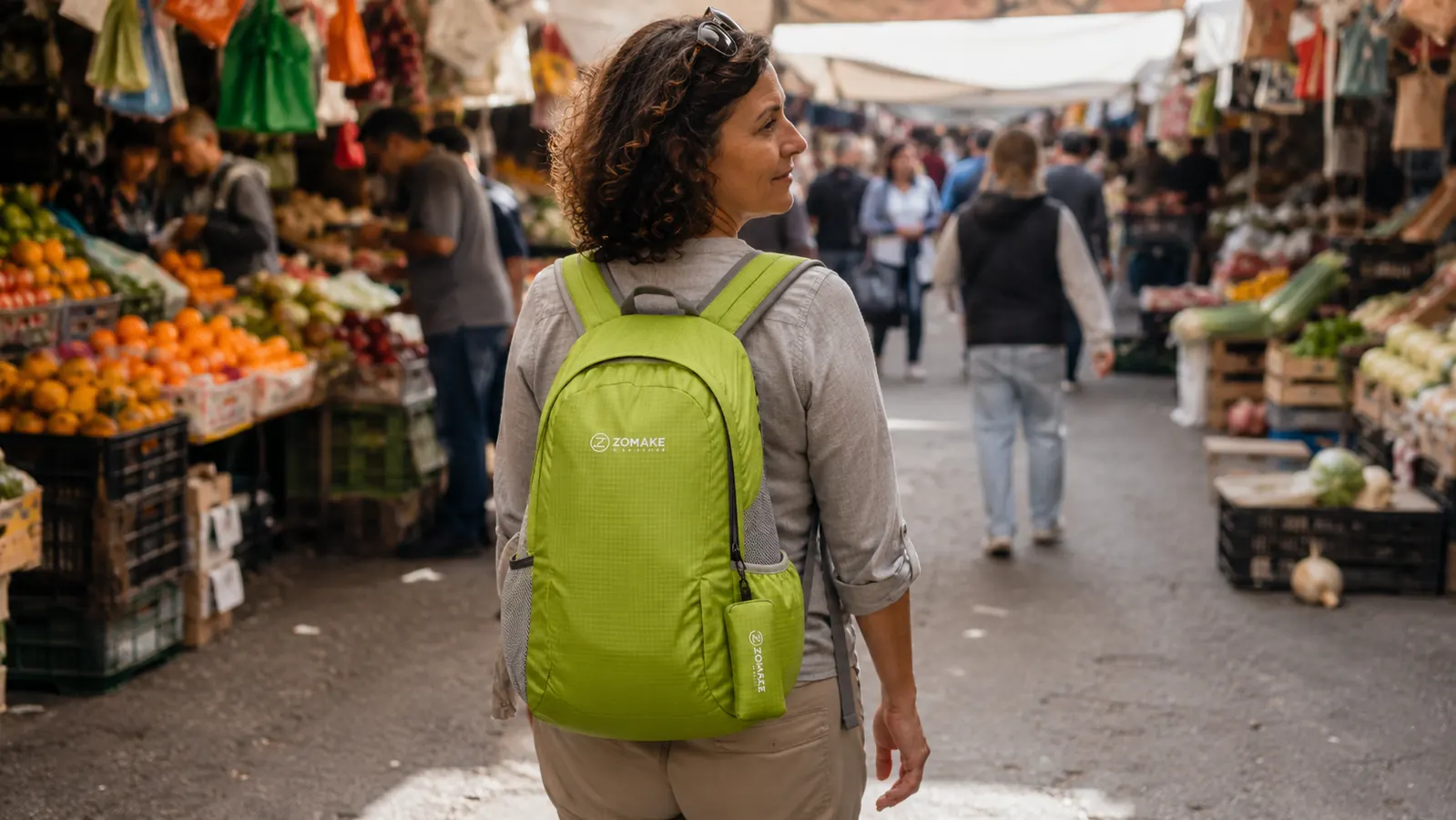
The ZOMAKE lives in the outer pocket of my Travelpro carry-on. Unfolded, it takes about 15 seconds. I toss it in a small compression sack when I am feeling tidy, but honestly I just shove it in flat most of the time and it packs down small enough that it barely matters. On a typical trip, I use it two or three times: once on the day I arrive to haul my hotel-room overflow to the room, once on a day trip or museum day, and once again on the way home when I have collected souvenirs that overflow my rolling bag.
The most demanding test came in Lisbon in October. My husband and I did a full-day tram-and-walking tour, about 9 miles on uneven cobblestones, with the ZOMAKE loaded with a 1-liter water bottle, two rain jackets, a small camera, snacks, sunscreen, and the usual wallet-phone-passport setup. That came out to roughly 12 or 13 pounds. The bag held everything without complaint, though by hour six my shoulders knew I was not wearing a technical hiking pack. More on that in the tradeoffs section.
On three separate regional flights, I used it as my personal-item bag, sliding it under the seat in front of me. The 20L volume is right at the limit for what fits comfortably under a standard seat, but it does fit, and the soft sides compress against the seat bottom in a way a rigid bag cannot. That flexibility alone has saved me two gate-check situations.
Materials and Construction Up Close
The ZOMAKE is made from a lightweight nylon fabric with a durable water-resistant finish. After 12 months, the exterior shows very minor scuffing on the bottom corners but no fraying, no seam separations, and no zipper issues. The zippers run smoothly every single time. I have been through airports in rain, stuffed the bag into an overhead bin soaking wet, and the contents stayed dry. Full submersion in a rainstorm? I would not count on it, but light rain and drizzle? Handled.
The main compartment is a single open space. There is no internal organization beyond a small internal zipper pocket near the top. A small external zip pocket on the front panel fits a phone, a folded map, or a thin wallet. That is the full pocket inventory. If you need a bag that organizes your gear into specific slots, this is not it. I keep a small travel pouch inside for loose items and it works fine, but go in knowing the interior is intentionally sparse to save weight.
The suspension system is basic: two padded shoulder straps with no sternum strap, no hip belt, and no back panel padding beyond a thin foam insert. For a 10-pound load over a few hours that is adequate. For a 15-pound load over a full day, you will feel it. The straps are wide enough to distribute weight reasonably, but there is no load-transfer to speak of. This is a daypack, not a hiking pack, and the construction reflects that honestly.
Twelve months in, the zippers still run smooth, the seams are holding, and the only sign of real use is a little scuffing on the bottom corners. For what this bag costs, that is a genuinely good outcome.
What the 20L Capacity Actually Gives You
Twenty liters sounds abstract. In practice, for a day trip, it means: one 1-liter water bottle, a light jacket or thin packable rain shell, a 13-inch laptop or tablet with sleeve, lunch in a container, a toiletry kit or small camera pouch, and a phone plus wallet. That is a full day out. I tested this on two separate long museum days and had room to spare. The bag does not have a dedicated laptop sleeve, so I use a simple neoprene sleeve, which works fine.
Where 20L starts to feel tight: any trip that involves buying things. After a long morning at a market in Mexico City, I had the bag fully loaded with wrapped ceramics and there was zero room for anything else. If you are a heavy souvenir shopper, bring a lightweight tote as a backup or look at the ZOMAKE 35L version instead. The 20L is genuinely a daypack, not a shopping bag substitute.
Water Resistance in Real Conditions
I got caught in a solid rainstorm in Nashville in March. Fifteen minutes of heavy rain, no umbrella, walking from a parking garage to a venue. The outside of the bag was soaked. The inside, where I had my laptop and a thin jacket, was completely dry. The DWR coating on this bag is better than I expected for the price point. That said, I would not trust it in a sustained downpour lasting more than 20 to 30 minutes. For most city travel scenarios it is more than adequate.
One thing I noticed after about six months: the water beading on the surface became slightly less dramatic. That is normal DWR aging and you can restore it with a quick pass from a hair dryer or a DWR refresh spray. I have not bothered retreating it yet and it still performs well. Worth knowing if you are in genuinely wet climates regularly.
Long-Term Durability: What 12 Months Does to a Budget Bag
Let me be direct about what you are buying here. This bag costs less than a meal out in most cities. At that price, the sensible fear is that it falls apart after three or four trips and you are back to square one. I went in with low expectations on durability and came out genuinely surprised. The bottom panel, which takes the most abuse from being set down on airport floors, tarmac pavement, and cobblestones, has surface scuffing but zero wear-through. The stitching at the strap attachment points, which is where budget bags usually show stress first, looks the same as it did when the bag arrived.
I washed the bag twice over the year, by hand, cold water and mild soap, hung to dry. No color fade, no fabric distortion, no zipper stiffness afterward. The only part of the bag that shows real age is the pack-down pocket zipper pull, which has a small nick in the rubber grip. That is a cosmetic issue, not a functional one. If this bag gave out tomorrow and I had to replace it, I would order the same one again without hesitation. At this price, three years of use is a good outcome. Two is fine. One year of weekly use with no structural failure is already ahead of what many budget bags manage.
The Packing and Unpacking Experience
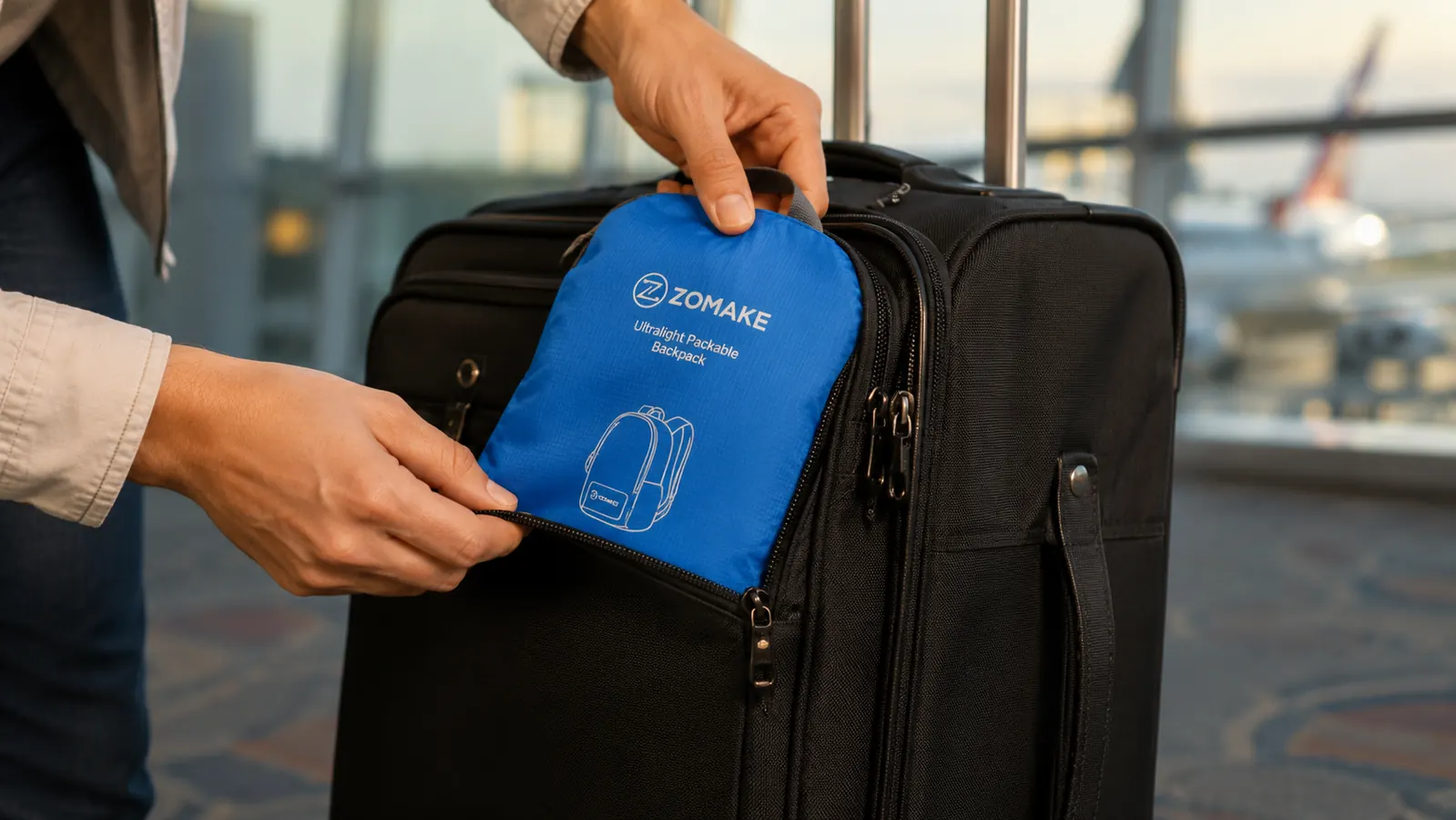
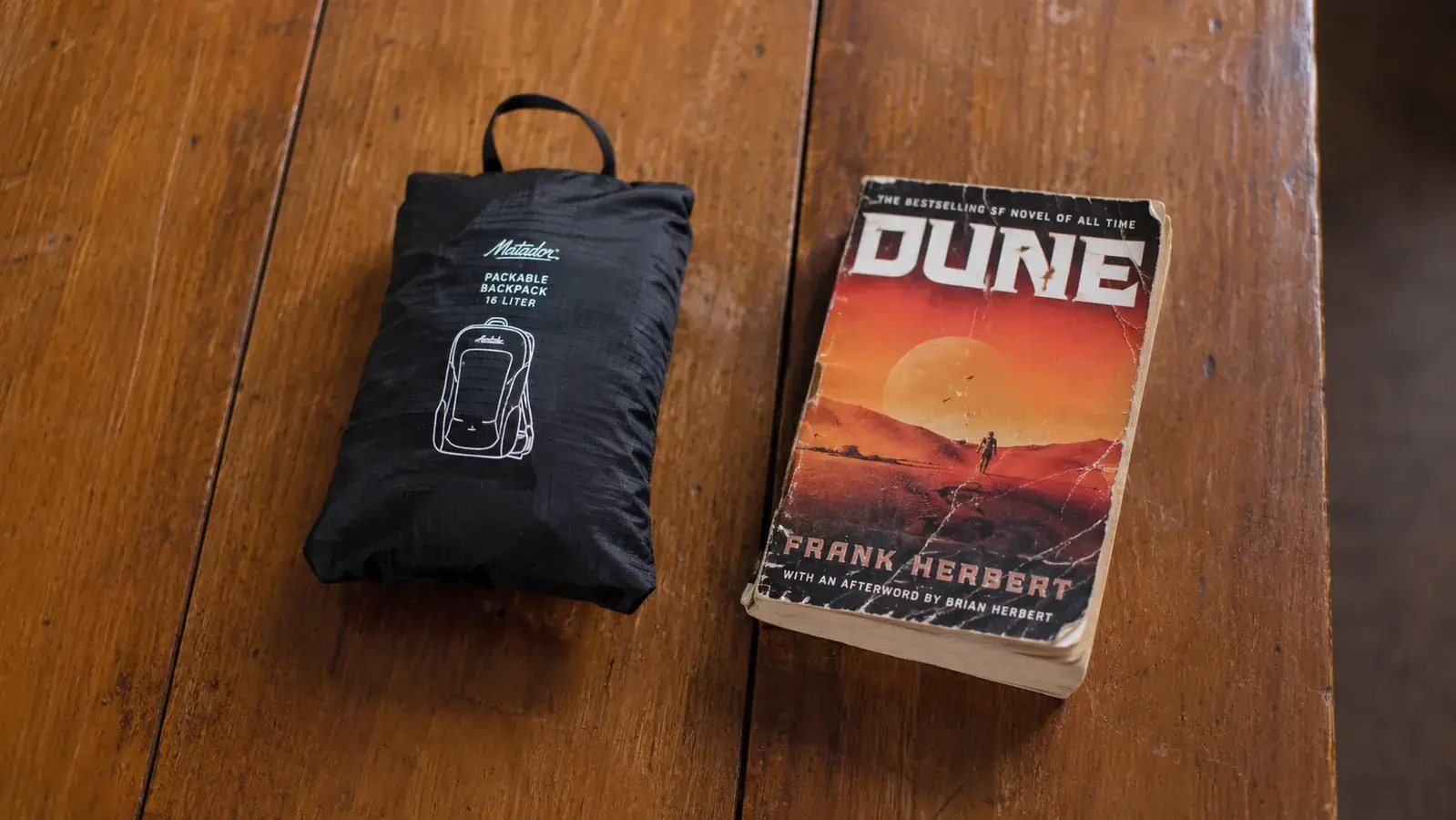
The pack-down mechanism is what makes this bag worth carrying in the first place. The bag folds into its own external zip pocket on the front. When packed down, it is roughly the size of a thick paperback novel, maybe a touch wider. It weighs about 8.5 ounces, which is close to nothing. I have measured it in my carry-on: it takes up about the same space as a pair of folded jeans.
Unpacking is even faster. Unzip the pocket, pull the bag out, shake it open, stuff the pack-down pocket inside the main compartment. Done. I have done this at airport carousels, in airplane lavatories, and outside hotel lobbies. It is one of those travel tools that removes friction from your day in a way you only appreciate once you stop using it. If you want to understand just how many places a packable daypack fits into a carry-on-only travel system, the full guide on traveling with just a carry-on using a packable daypack covers it step by step.
What We Liked
- Packs into its own front pocket, roughly paperback-book size
- 8.5 ounce weight is negligible inside a carry-on
- Zippers have held up across 12 months with no issues
- DWR finish handles light rain and drizzle well
- Soft sides compress under airplane seats, useful as a personal item
- Priced low enough that replacing it in year two is still a good value outcome
- 18,000-plus Amazon ratings suggest this is not a one-person experience
Where It Falls Short
- Shoulder straps become uncomfortable under heavy loads (12+ lbs) after a few hours
- No sternum strap or hip belt for load distribution
- Minimal internal organization, single main compartment only
- No dedicated laptop sleeve despite fitting a 13-inch laptop
- DWR coating shows some diminishment after six months of regular use
- 20L fills up quickly if you are a souvenir shopper
Alternatives I Considered
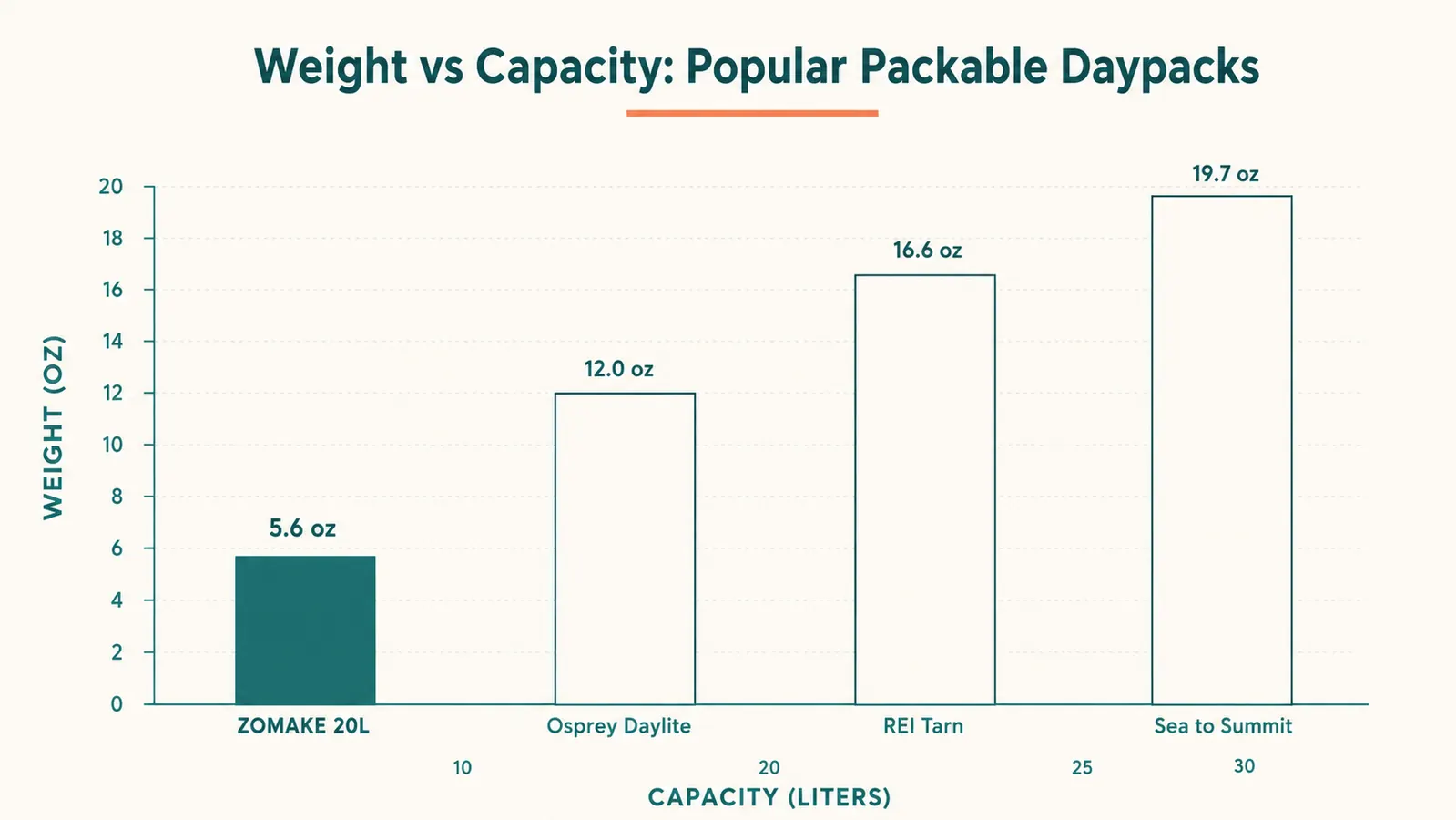
The most common comparison is the Osprey Daylite, which costs several times more and brings a better suspension system, a sternum strap, and a more polished build. If you are doing actual trail hiking or carrying 15-plus pounds regularly, the Osprey is a reasonable upgrade. For pure urban travel where you are carrying 8 to 12 pounds of everyday gear, the ZOMAKE gives you 90 percent of the utility at a fraction of the price. I went ZOMAKE because I wanted something I would not stress about losing, leaving in a taxi, or checking at a coat room. The full ZOMAKE vs Osprey Daylite comparison breaks down that tradeoff in detail if you want to think it through.
I also looked at the REI Tarn 12L, which packs even smaller but is too small for a full day out for me. And I briefly considered a Sea to Summit Ultra-Sil, which is technically lighter but feels more fragile and has almost no structure when loaded. The ZOMAKE hits the practical middle ground.
Who This Is For
This bag is built for the carry-on-only traveler who needs a day bag that disappears until they need it. If you fly without checking bags, stay in hotels rather than camping, and spend most of your travel days walking around cities or doing light day trips, the ZOMAKE 20L fits that life almost perfectly. It is also a solid pick for cruise passengers who take shore excursions, since it packs flat in a cabin drawer and holds a full day's worth of gear without ever being in the way. Road trippers who want a lightweight bag to grab from the car for a hike or a day at the beach will find it useful too. I have recommended it to four people in the last year. All four still use theirs, and two have since bought a second one as a spare. At this price, keeping a backup makes sense.
Who Should Skip It
Skip the ZOMAKE if you regularly carry more than 12 to 15 pounds in a day bag. The shoulder straps are not built for sustained heavy loads and you will feel the absence of a hip belt by mid-afternoon. Skip it if you need structured internal organization for tech gear. And skip it if you are doing anything involving rough trails, river crossings, or real outdoor conditions where you need reinforced attachment points or a more technical fabric. For those use cases, spend more on a proper hiking pack. The ZOMAKE knows exactly what it is and does not pretend otherwise. There are 10 good reasons why this kind of packable daypack belongs in every carry-on traveler's kit, and if you need more convincing before buying, that breakdown covers each one clearly.
A full year of use, 22 flights, and the zippers still work. That is the bar the ZOMAKE clears.
For carry-on-only travelers who need a packable day bag that does not take up half the bag or cost half a paycheck, this is the one I keep reaching for. Check the current Amazon price and see if it is still on sale.
Amazon Check Today's Price on Amazon →